DESIGN AND ENGINEERING AUTOMATION
Automate Complex Engineering Design
By capturing engineering knowledge in rules and processes, companies can generate accurate 2D drawings and parts lists based on customer-specific parameters — and quickly create new models when requirements change.
Engineering Process
We recognise that engineering in complex manufacturing environments is difficult—driven by legacy systems, product variations, and knowledge that is often hard to scale. That’s why we work directly with your engineers, side by side, to simplify product structures and reduce unnecessary complexity in day-to-day engineering work. We’ve done this many times in large and small organizations with highly specialized products. Even when it seems like a product cannot be standardized or automated, we consistently find a practical way forward. The result is less manual work, fewer errors, and a more scalable way of handling complex products.
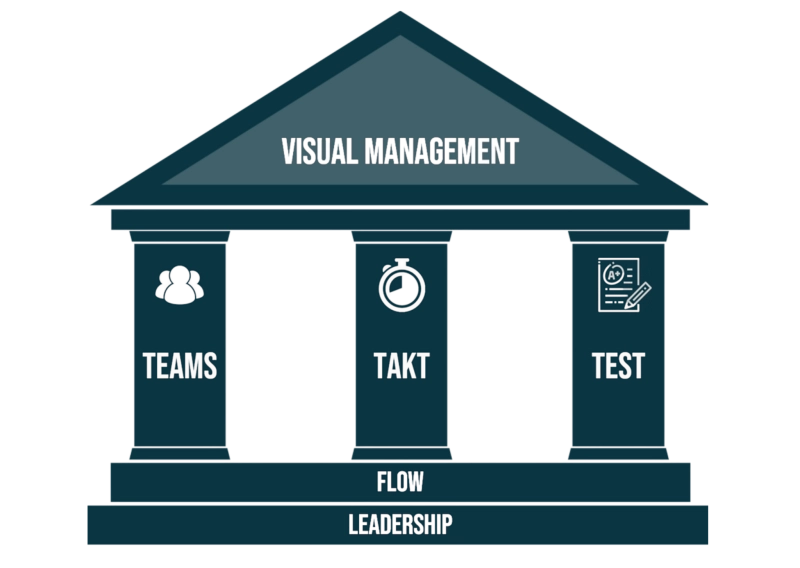
Our work typically focuses on
Modularisation
Breaking products into reusable building blocks to reduce repetitive engineering.
Product structure redesign
Building clean, rule-based master models that can generate variants automatically.
Standardization of rules and logic
Aligning product definitions so they can be reused, scaled, and maintained over time.
Product portfolio understanding
Identifying where engineering effort is highest and where automation creates real value.
Engineering breakdown workshops
Working directly with your engineers to uncover constraints, exceptions, and opportunities for simplification.
Solving tomorrow’s challenges today
- Repeatability is difficult, fire and forget
- Knowledge drain, impossible to contain engineering know how
- Quality, getting customer requirements right every time
- Bottlenecks, endless feedback loops slowing everything down
- Scaling, growth blocked by limited resources
- Operations, too expensive to run manually
- Lead Time (Quote, Engineering, Manufacturing)
- Transparency, no single source of truth and no intelligence to react whensomething changes
The six value areas
1. Lead time
88% reduction in lead time (Hours, days and weeks)
2. Additional sales
25 – 30% more sales after 3 years (Revenue of sales)
3. Cost of quality
50-65% savings in cost of quality (Number of incidents and errors)
4. Costs of hours
75 – 90% savings during Order Execution
5. Cost of goods
5-10% savings in cost of goods sold – incl. shipping (COGS)
6. Digitalisation
Ensure that your product knowledge is captured and re-used